



Estrogen Receptor/ERR
Estrogen receptors are a group of proteins found inside cells. They are receptors that are activated by the hormone estrogen (17β-estradiol). Two classes of estrogen receptor exist: ER, which is a member of the nuclear hormone family of intracellular receptors, and GPER (GPR30), which is a member of the rhodopsin-like family of G protein-coupled receptors. The ER's helix 12 domain plays a crucial role in determining interactions with coactivators and corepressors and, therefore, the respective agonist or antagonist effect of the ligand. Different ligands may differ in their affinity for alpha and beta isoforms of the estrogen receptor: estradiol binds equally well to both receptors, estrone, and raloxifene bind preferentially to the alpha receptor, estriol, and genistein to the beta receptor. Estrogen and its receptors are essential for sexual development and reproductive function, but also play a role in other tissues such as bone. Estrogen receptors are also involved in pathological processes including breast cancer, endometrial cancer, and osteoporosis. Alternative promoter usage and alternative splicing result in dozens of transcript variants, but the full-length nature of many of these variants has not been determined.
Estrogen Receptor/ERR Isoform Specific Products
All Product Categories
-
Estrogen Receptor/ERR Inhibitors
(133)
View all products
-
Estrogen Receptor/ERR Agonists
(161)
View all products
-
Estrogen Receptor/ERR Antagonists
(107)
View all products
-
Estrogen Receptor/ERR Activators
(51)
View all products
-
Estrogen Receptor/ERR Modulators
(118)
View all products
-
Estrogen Receptor/ERR Chemicals
(2)
View all products
-
Estrogen Receptor/ERR Degraders
(73)
View all products
-
Estrogen Receptor/ERR Controls
(6)
View all products
-
Estrogen Receptor/ERR Ligands
(27)
View all products
-
Estrogen Receptor Proteins
(2)
View all products
-
ER-alpha Proteins
(1)
View all products
-
ER-beta Proteins
(1)
View all products
-
Estrogen Receptor/ERR Related Products (816)
Related Products (816)

-
Recombinant Proteins (2)
-
Antibodies (11)
-
Estrogen Receptor/ERR Isoform Comparison
-
Mequinol
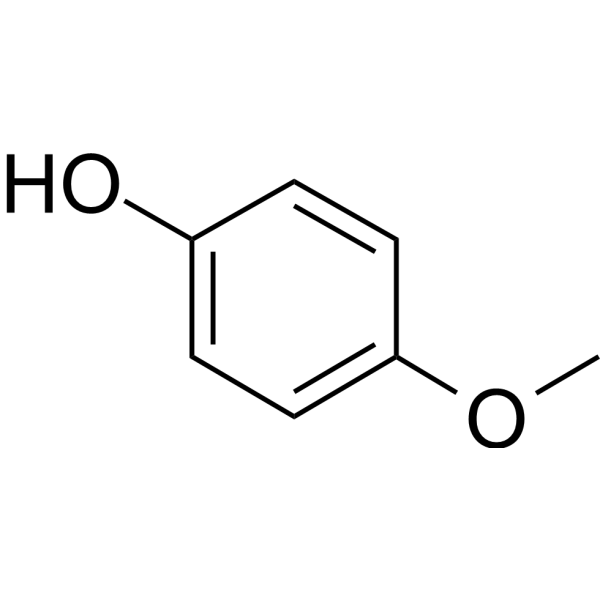 0 ImagesMequinol (4-Methoxyphenol)yes MercurialisOne of the bioactive ingredients, mainly used for skin discoloration. MequinolIs an antioxidant that has additive/synergistic effects on carcinogenesis when combined with other phenolic antioxidants. Mequinolalso promote hERαDependent chaperone production with potential estrogenic activity.
-
Kaempferol (Standard)
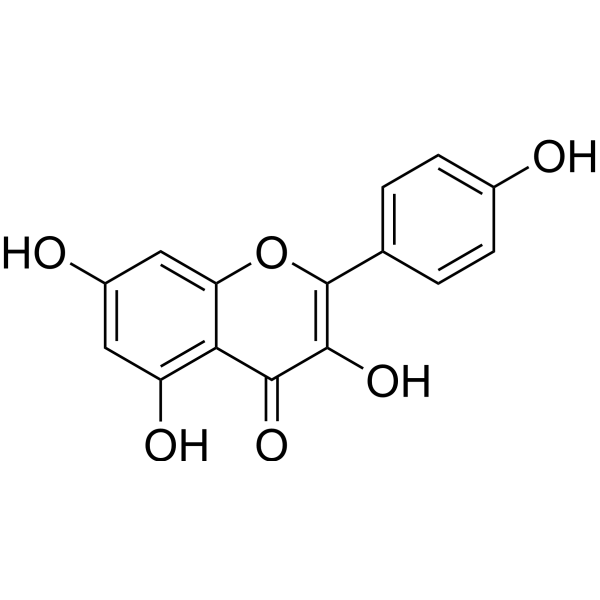 0 ImagesSynonyms: Kempferol(Standard); Robigenin (Standard)Kaempferol (Standard) is the analytical standard of Kaempferol. This product is intended for research and analytical applications. Kaempferol (Kempferol), a flavonoid found in many edible plants, inhibits estrogen receptor α expression in breast cancer cells and induces apoptosis in glioblastoma cells and lung cancer cells by activation of MEK-MAPK. Kaempferol can be uesd for the research of breast cancer.
-
Estrone (Standard)
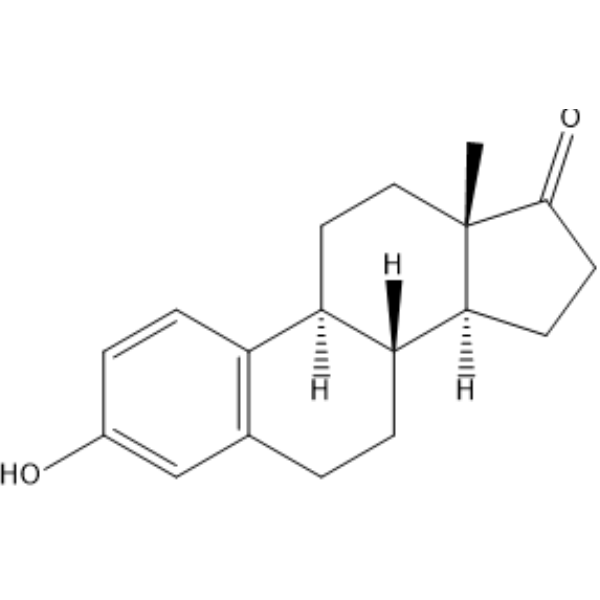 0 ImagesEstrone (Standard) is the analytical standard of Estrone. This product is intended for research and analytical applications. Estrone (E1) is a natural estrogenic hormone. Estrone is the main representative of the endogenous estrogens and is produced by several tissues, especially adipose tissue. Estrone is the result of the process of aromatization of androstenedione that occurs in fat cells.
-
Isoflavone
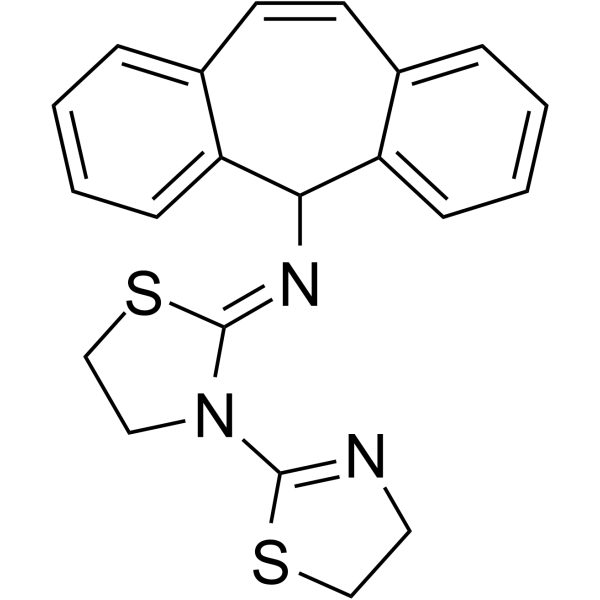
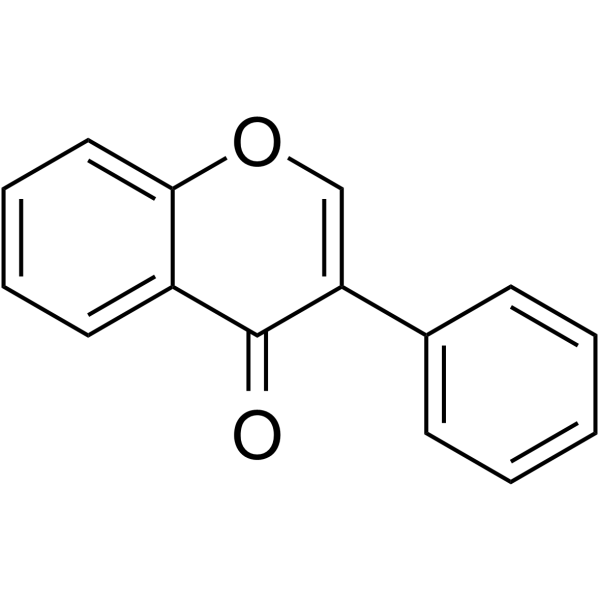 0 ImagesCat. No.: HY-W006405CAS No.: 574-12-9Isoflavone is an orally available bioactive component of soy phytoestrogen with lipid-lowering and antioxidant activities. Isoflavone prevents a variety of chronic diseases by regulating fatty acid oxidation in the liver and gene expression in adipose tissue. In addition, isoflavone has important value in the research of cancer and cardiovascular diseases.
-
Fulvestrant (Standard)
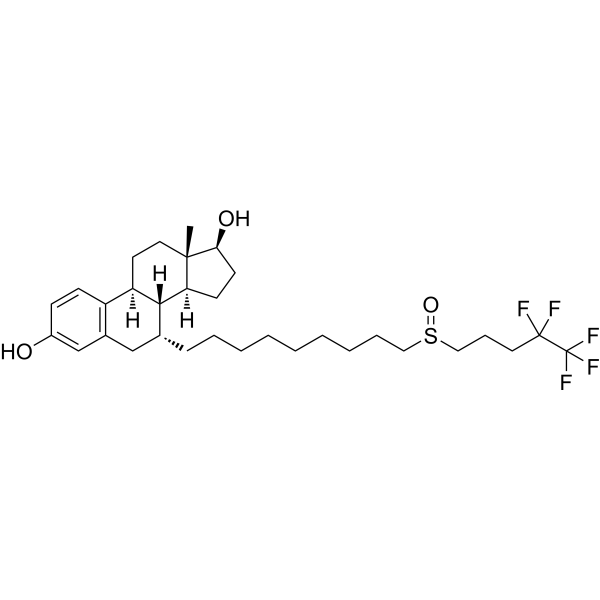 0 ImagesSynonyms: ICI 182780(Standard); ZD 9238(Standard); ZM 182780 (Standard)Fulvestrant (Standard) is the analytical standard of Fulvestrant. This product is intended for research and analytical applications. Fulvestrant (ICI 182780) is a pure antiestrogen and a potent estrogen receptor (ER) antagonist with an IC50 of 9.4 nM. Fulvestrant is also a GPR30 agonist. Fulvestrant effectively inhibits the growth of ER-positive MCF-7 cells with an IC50 of 0.29 nM. Fulvestrant also induces autophagy and has antitumor efficacy.
-
Prochloraz
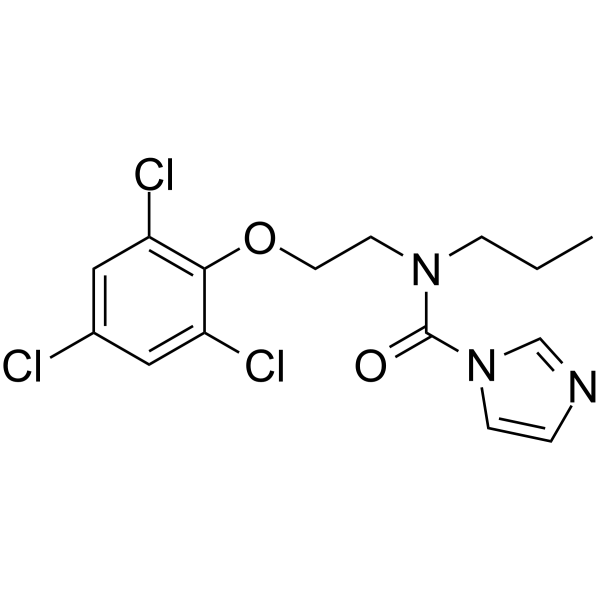 0 ImagesSynonyms: BTS 40542Prochloraz is an imidazole antifungal. Prochloraz is as an estrogen receptor (ER) and androgen receptor (AR) antagonist and an aromatase inhibitor with IC50 values of 25 μM, 4 μM and 0.3 μM, respectively. Prochloraz is able to activate the aryl hydrocarbon receptor (AhR) having an EC50 of 1 μM.
-
SI-2 hydrochloride
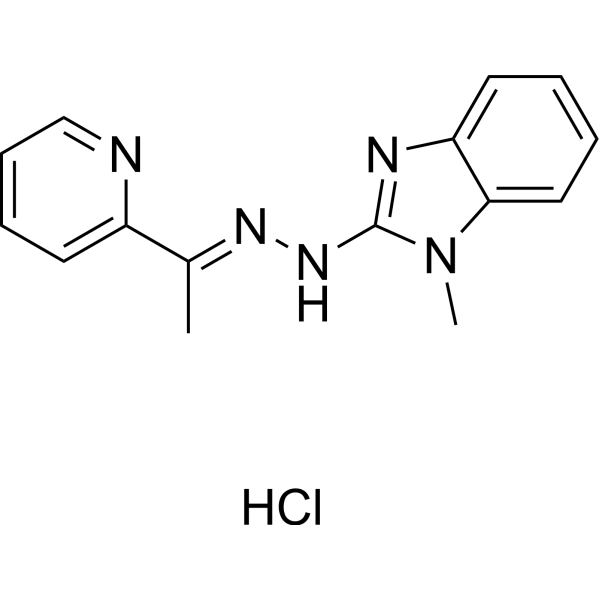 0 ImagesSynonyms: EPH 116 hydrochlorideSI-2 (EPH 116 hydrochloride) is a highly promising SRC-3 inhibitor (PPI). SI-2 (EPH 116 hydrochloride) has a much improved toxicity and pharmacokinetic profile, with acceptable oral availability.
-
Estetrol
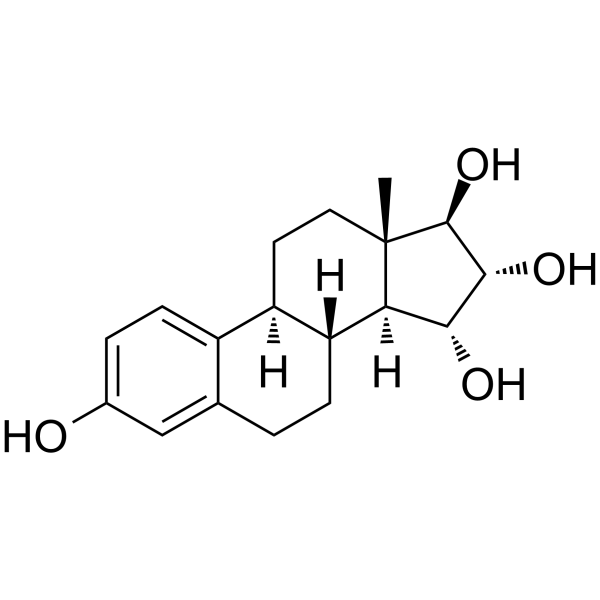 0 ImagesEstetrol, an orally active estrogen synthesized exclusively during pregnancy by the human fetal liver, is a selective nuclear estrogen receptor modulator. Estetrol binds ERα as well as ERβ (with a fourfold lower affinity). Estetrol increases eNOS expression/activity and NO synthesis in endothelial cells. Estetrol exerts estrogenic actions on the endometrium or the central nervous system but presents antagonistic effects on the breast. Estetrol can be used in contraception and menopausal hormone research.
-
Imlunestrant tosylate
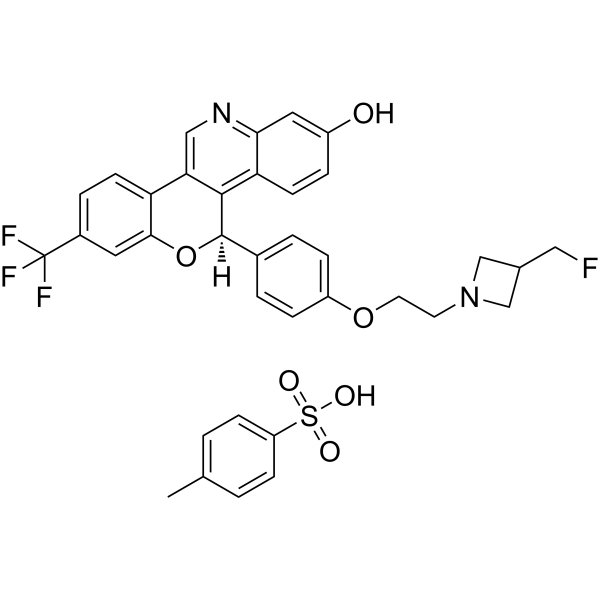 0 ImagesSynonyms: LY-3484356 tosylateImlunestrant (LY-3484356) tosylate is an orally active, potent and selective estrogen receptor degrader (SERD) with pure antagonistic properties. Imlunestrant tosylate results in sustained inhibition of ER-dependent gene transcription and cell growth. Imlunestrant tosylate can be used for the research of ER-positive (ER+) advanced breast cancer (aBC) and endometrial endometrioid cancer (EEC).
-
Enclomiphene citrate
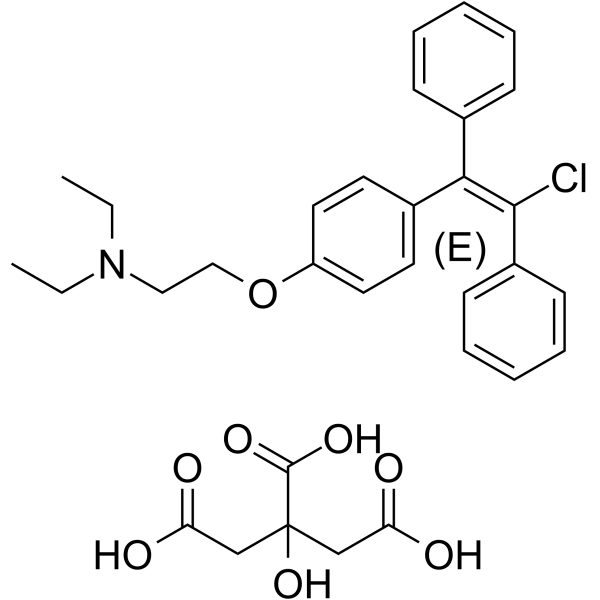 0 ImagesSynonyms: (E)-Clomiphene citrate; trans-Clomiphene citrate; Enclomifene citrateEnclomiphene ((E)-Clomiphene) citrate is a potent and orally active non-steroidal estrogen receptor antagonist, with antioestrogenic property. Enclomiphene citrate can be used for the research of ovarian dysfunction, testosterone deficiency, male hypogonadism and type 2 diabetes.
-
Pipendoxifene
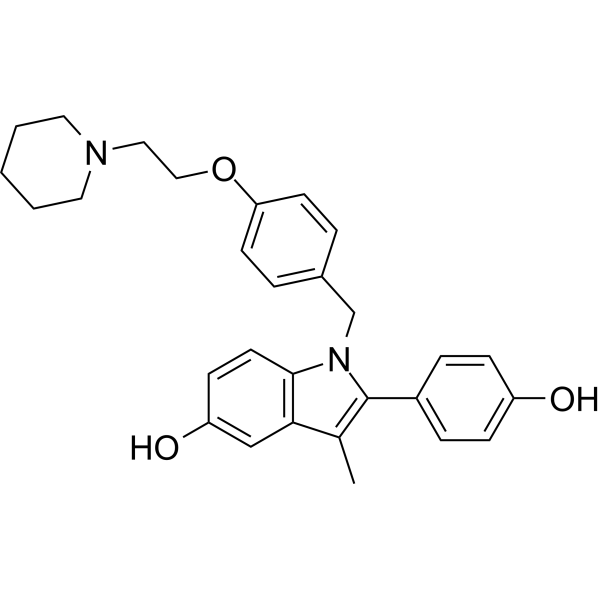 0 ImagesSynonyms: ERA-923Pipendoxifene is a selective estrogen receptor modulator (SERM).
-
hFSH-β-(33-53) TFA
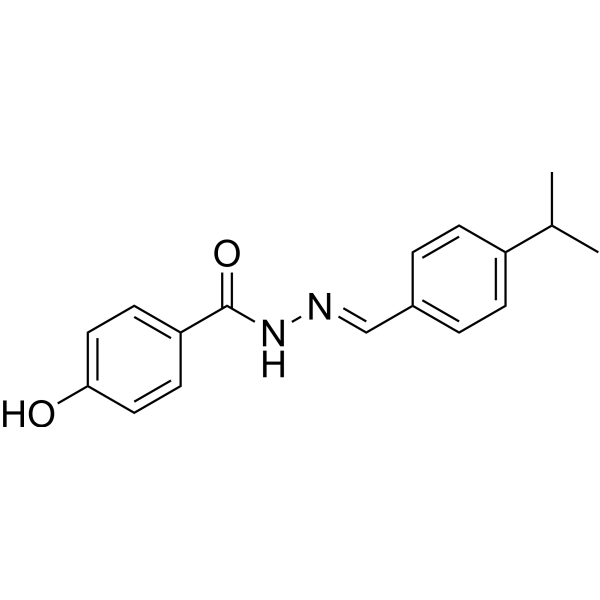
 0 ImagesCat. No.: HY-P3343APurity: 99.56%hFSH-β-(33-53) TFA is a polypeptide corresponding to residues 33-53 of hFSH-β, and also a follicle-stimulating hormone (FSH) antagonist. hFSH-β-(33-53) stimulates basal estradiol synthesis in cells. hFSH-β-(33-53) TFA prolongs vaginal estrus in mice with normal estrous cycles.
-
Gestrinone
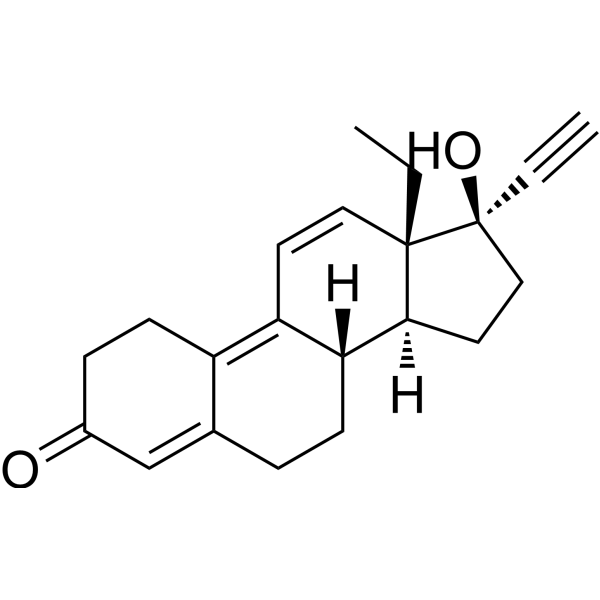 0 ImagesSynonyms: R 2323Gestrinone (R2323) is a synthetic steroid hormone used to treat endometriosis. It inhibits leiomyoma cells with an IC50 of 43.67 μM. Gestrinone is a click chemistry reagent, it contains an Alkyne group and can undergo copper-catalyzed azide-alkyne cycloaddition (CuAAc) with molecules containing Azide groups.
-
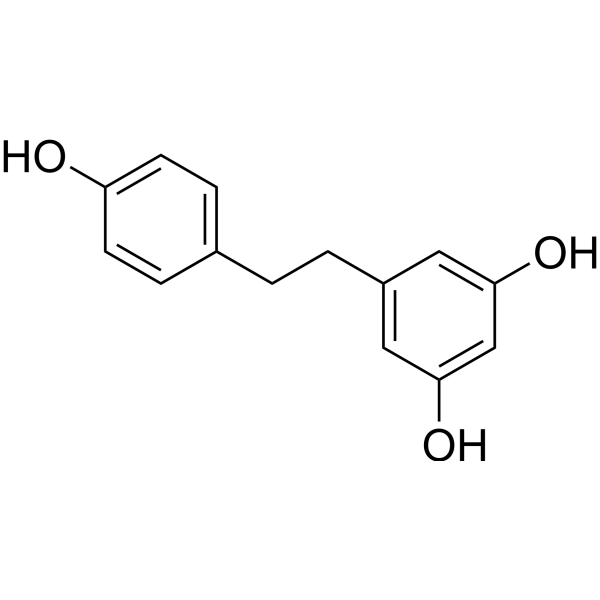
Gypenoside XVII
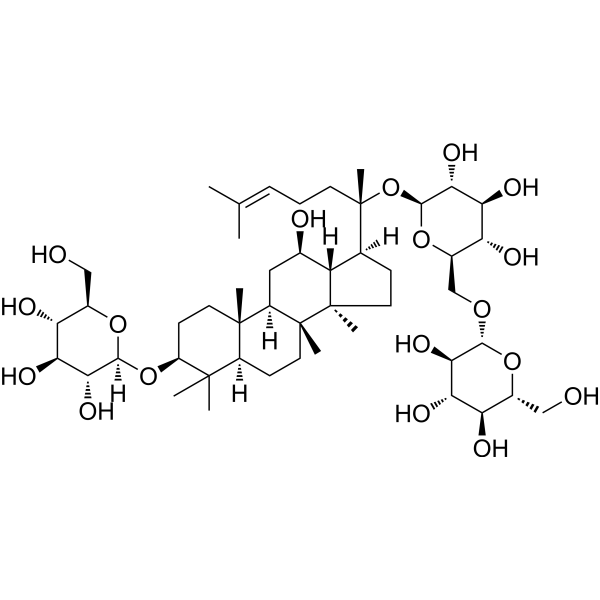 0 ImagesSynonyms: Gynosaponin SGypenoside XVII, a novel phytoestrogen belonging to the gypenosides, can activate estrogen receptors.
-
Brilanestrant
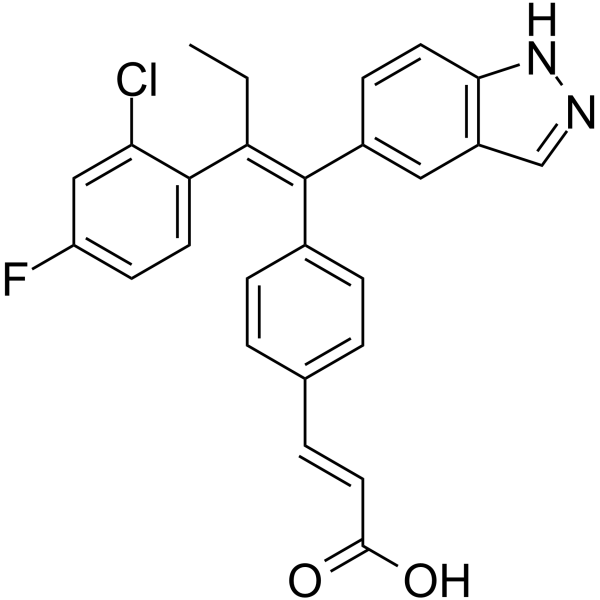 0 ImagesSynonyms: ARN-810; GDC-0810Brilanestrant (ARN-810; GDC-0810) is an orally bioavailable selective estrogen receptor degrader (SERD) with IC50 of 0.7 nM.

-
ERD-308
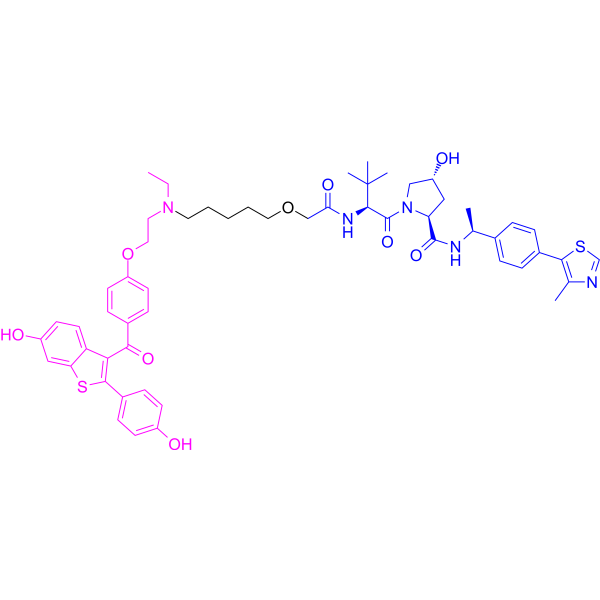 0 ImagesERD-308 is a potent estrogen receptor (ER) PROTAC degrader. ERD-308 has DC50 values of 0.17 nM and 0.43 nM in MCF-7 and T47D ER+ cells. ERD-308 can inhibit the proliferation of breast cancer cells and exhibits anti-tumor activity.




